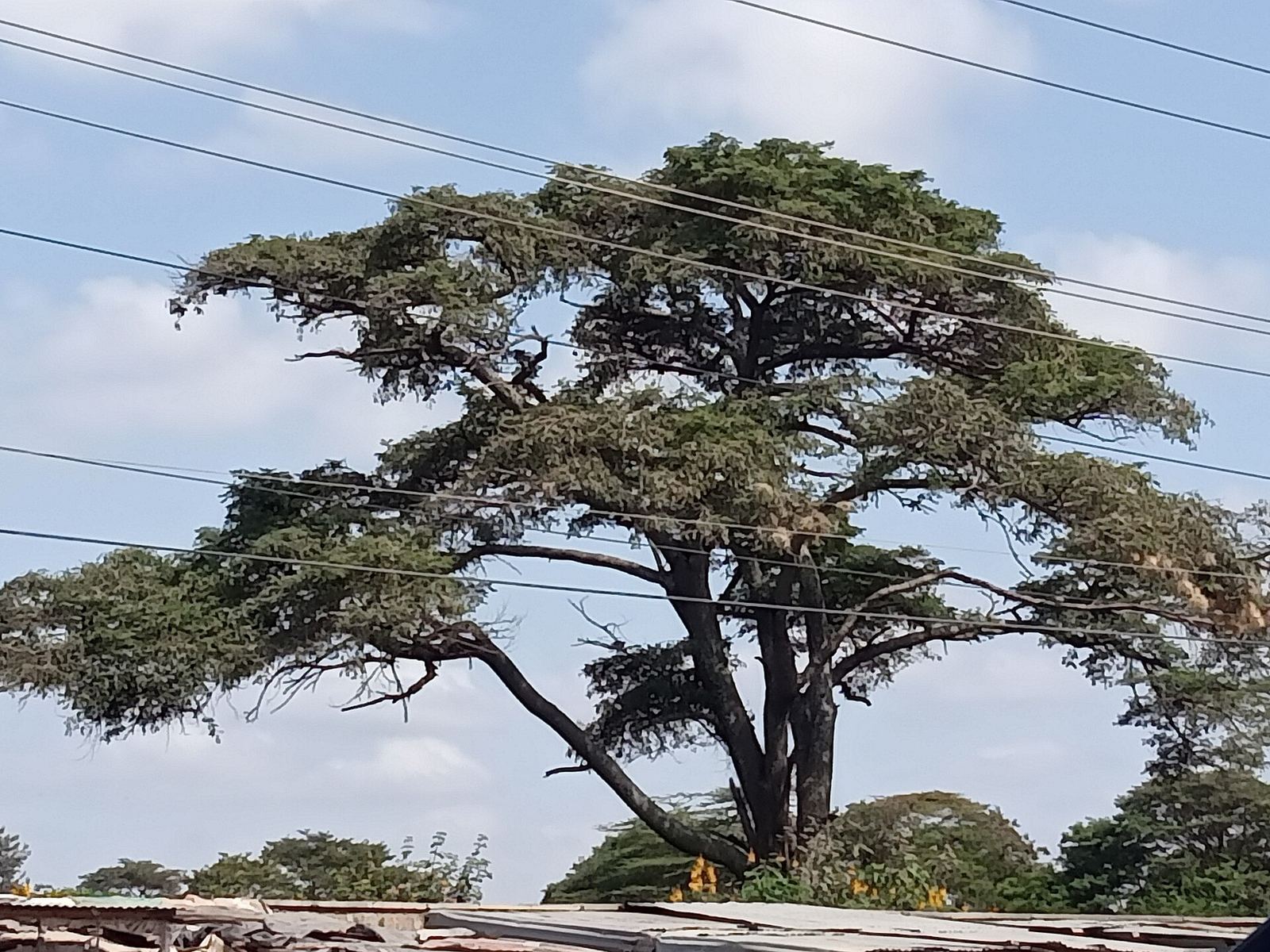
Marula
Sclerocarya birrea
Xitsonga: nkanyi · Sepedi: morula · isiZulu: umganu
Fruit eaten fresh or brewed into a traditional drink; the nuts are eaten; bark is used in traditional medicine.
Common, local and scientific names, with the ways these trees have traditionally been used. A starting list, to be expanded with the Academy.
Local names and spellings to be confirmed with AIA. Traditional uses are shared for learning, not as medical advice.
Sclerocarya birrea
Xitsonga: nkanyi · Sepedi: morula · isiZulu: umganu
Fruit eaten fresh or brewed into a traditional drink; the nuts are eaten; bark is used in traditional medicine.
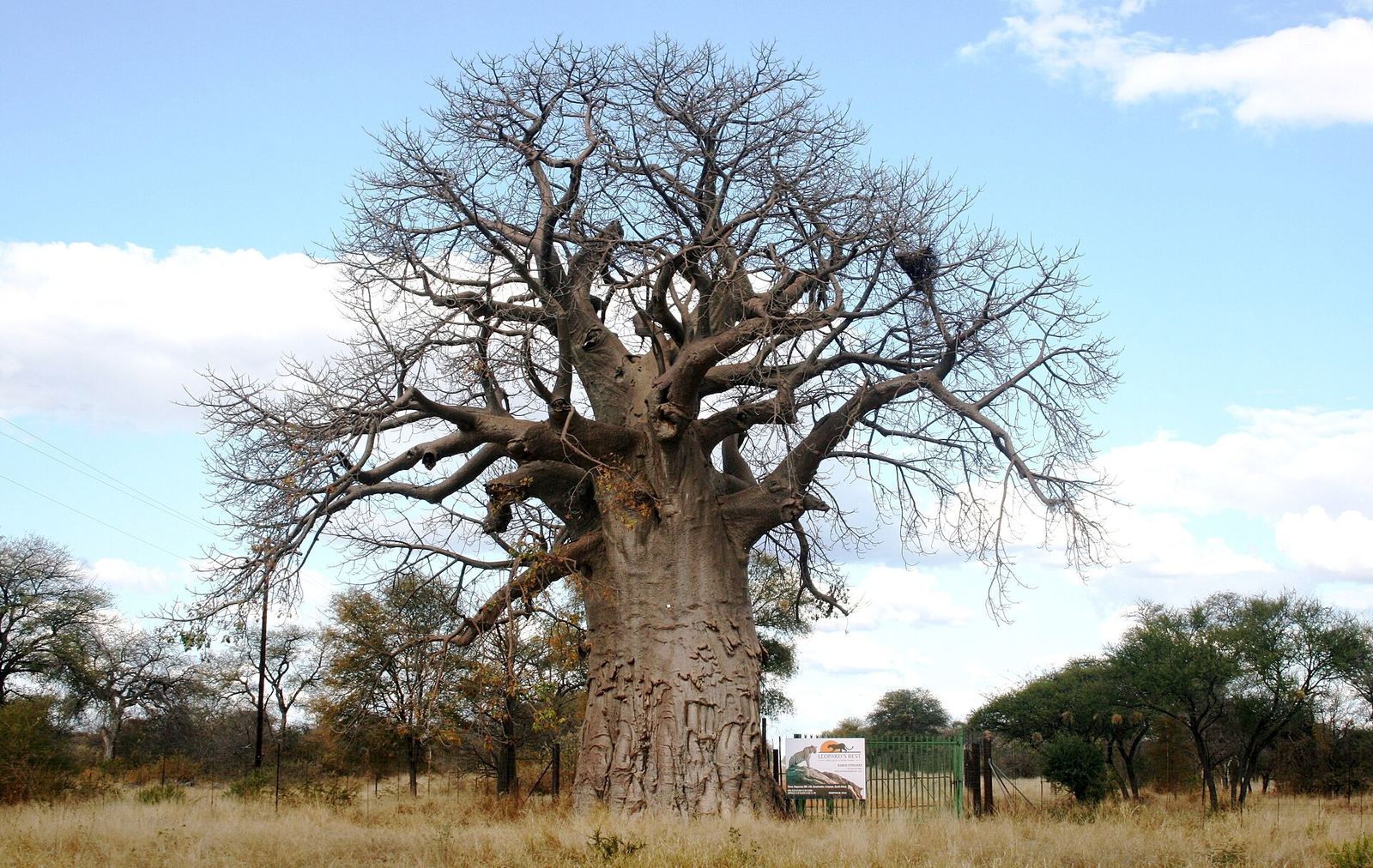
Adansonia digitata
Tshivenda: muvhuyu · Xitsonga: shimuwu
Fruit pulp is rich in vitamin C; young leaves are cooked as a vegetable; bark fibre is made into rope.
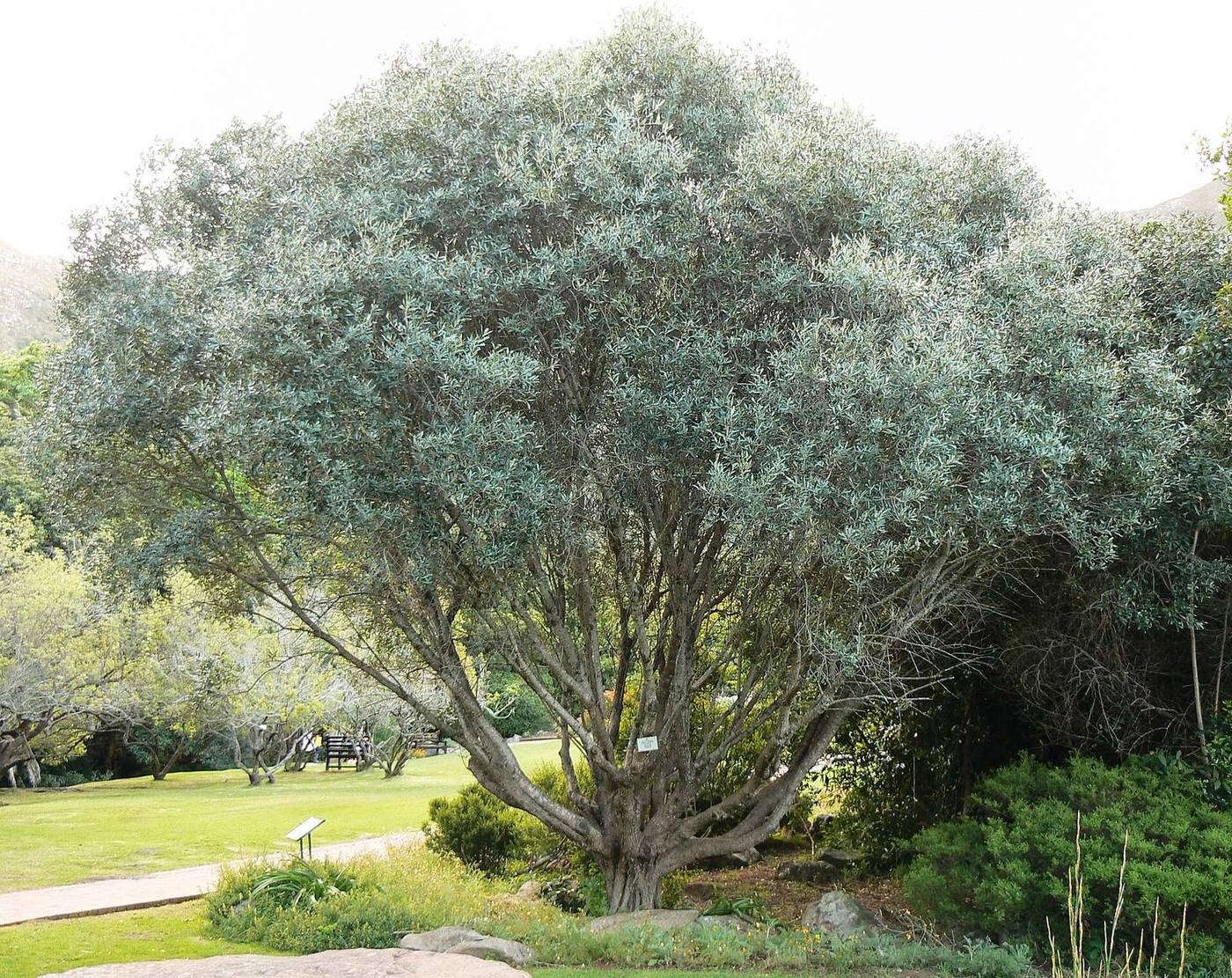
Olea europaea subsp. africana
isiZulu: umnquma · Sepedi: mohlware
Hard, durable wood; leaves are used in traditional remedies; small fruit is eaten by birds.
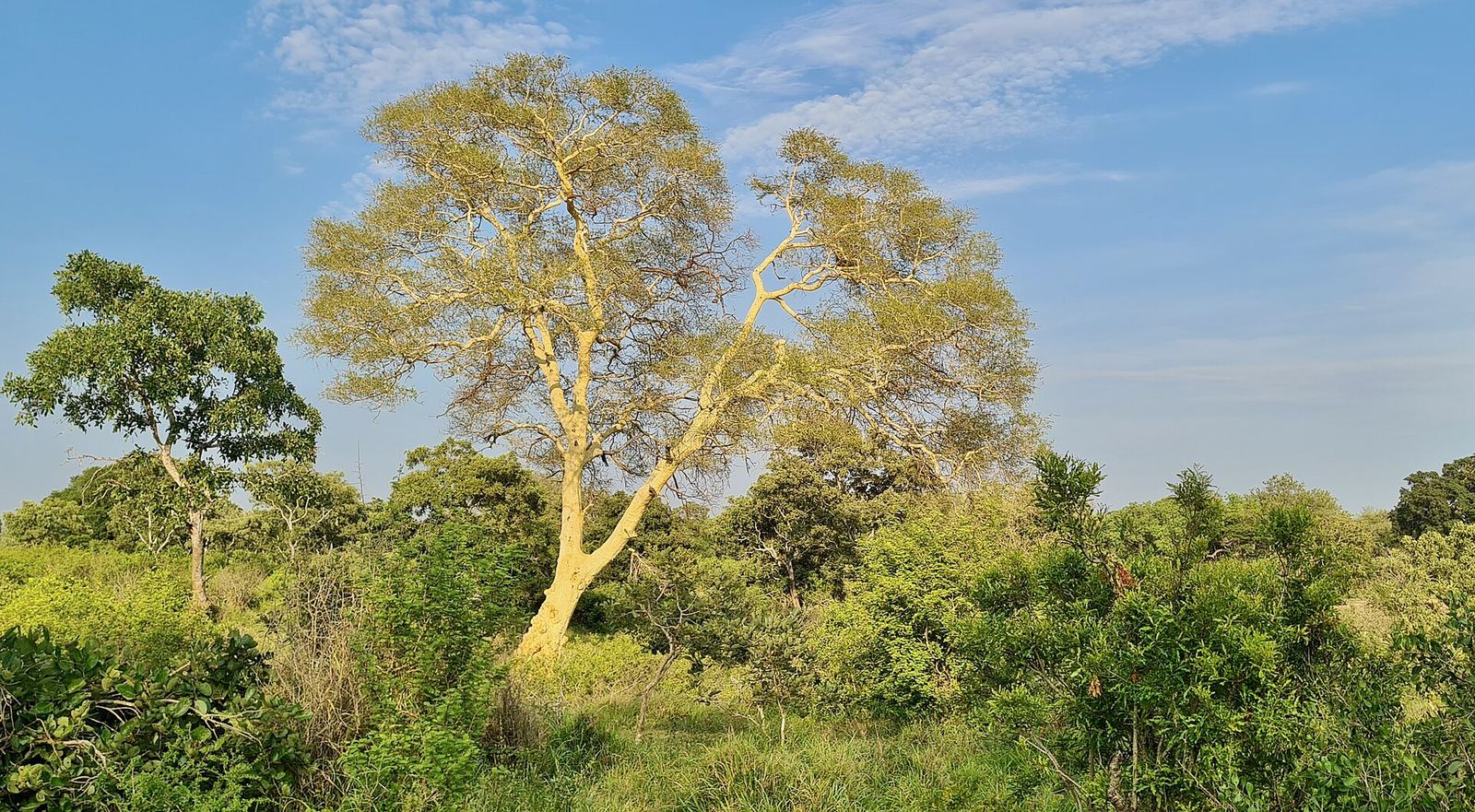
Vachellia xanthophloea
isiZulu: umkhanyakude
Named because it grows near swampy ground once linked to malaria; bark is used in traditional fever remedies.
Photo to come
Kigelia africana
Xitsonga: mpfungurhu · isiZulu: umvongotsha
Large fruit used in traditional skin remedies; its flowers feed bats, birds and antelope.
Photo to come
Combretum imberbe
Xitsonga: mondzo · Sepedi: motswiri
One of the hardest, slowest-burning woods; ash has been used as a toothpaste and whitewash.